
Blog
Details regarding Eastern University Grading Scale

- Understanding the grading scale of an academic institution is vital for students, parents, and educators. The Eastern University Grading Scale offers clarity on academic performance, helping students set goals and measure achievements. This comprehensive guide will provide insights into the grading system, its significance, and tips for excelling under this framework.
What is the Eastern University Grading Scale?
The Eastern University Grading Scale is a standardized system that evaluates students’ academic performance. It assigns grades based on percentages or performance metrics, ensuring fair and consistent evaluations. Eastern University uses this scale to reflect students’ academic progress, guide their learning journey, and prepare them for professional success.
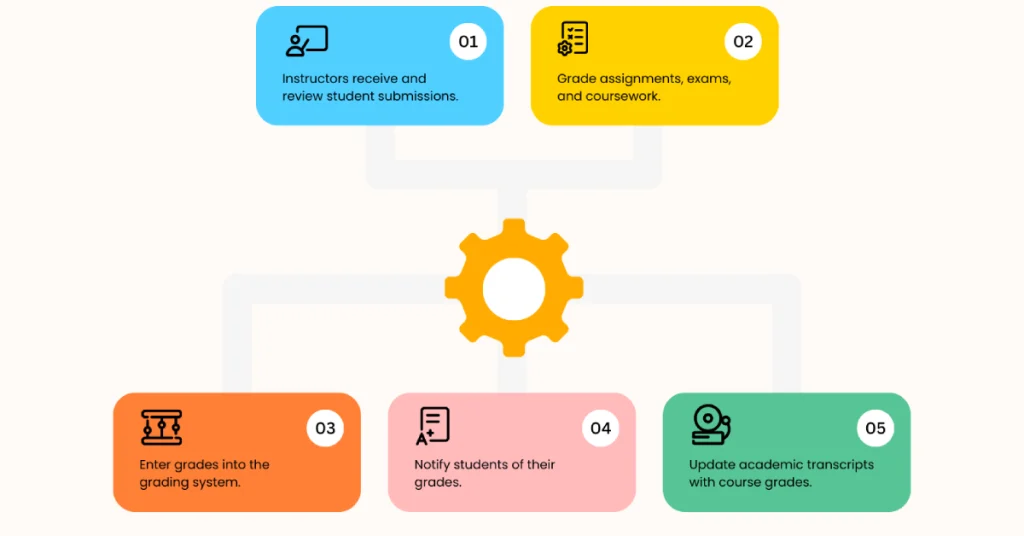
Grading at Eastern University aims at fostering a culture of excellence and learning. The grading scale offered by Eastern University makes it possible for students to know their progress well and to improve. The grading scale offered by Eastern University indicates high academic standards that make learners perform better.
Eastern University focuses on accurate and consistent grading. It is important for Eastern University to have a good and useful grading scale that would help its students build effective academic skills and motivate them in their academic work. Through grading, it becomes easy to monitor academic success.
About Eastern University Scale
The Eastern University Grading Scale encompasses excellence, success, integrity, and learning. This grading scale aims at ensuring fairness, transparency, merit, and consistency to all students. By providing a fair evaluation through precise standards, the grading process helps learners to remain dedicated, responsible, consistent, and committed to learning. Learners are motivated to ensure that they perform exceptionally well and learn as much as possible in order to gain professional skills. The grading scale is a symbol of good education, innovation, success, and excellence.

Key Features
1. Letter Grades and Their Meanings
The grading scale often includes the traditional A-F system:
- A (90-100%): Excellent performance, and mastery of the subject.
- B (80-89%): Above-average understanding with minor flaws.
- C (70-79%): Average performance; sufficient to pass.
- D (60-69%): Below-average, barely meeting minimum requirements.
- F (<60%): Failing grade; insufficient understanding.
2. Grade Points
Grades correspond to grade points on a 4.0 GPA scale, typically:
- A: 4.0
- B: 3.0
- C: 2.0
- D: 1.0
- F: 0.0
3. Plus/Minus System
To refine evaluations further, Eastern University may use a plus/minus system:
- A- (3.7), B+ (3.3), B- (2.7), etc. This granular approach provides a nuanced understanding of performance.
4. Pass/Fail Options
For specific courses or extracurricular credits, a Pass/Fail grading system is available, focusing more on participation and effort.

Importance of the Eastern University Grading Scale
1. Clarity and Consistency
- The grading scale ensures transparency in performance evaluation, helping students identify areas for improvement.
2. Motivational Tool
- Grades inspire students to aim higher, fostering a culture of achievement.
3. Academic Benchmark
- Employers and graduate schools often use grades to assess candidates, making a strong GPA essential.
How Eastern University Grading Scale Impacts Students
1. Academic Goals
- The Eastern University Grading Scale provides a roadmap for students to track progress and set achievable goals.
2. GPA Calculation
- Each grade impacts the overall GPA, influencing academic standing and scholarship eligibility.
3. Feedback for Improvement
- Grades help students understand their strengths and weaknesses, enabling focused learning strategies.
Tips to Excel Under the Eastern University Grading Scale
Understand the Rubric
- Familiarize yourself with the grading criteria for each course. Knowing how assignments and exams are weighted can help prioritize efforts.
Consistent Effort
- Regular attendance, participation, and studying are essential for achieving high grades.
Seek Feedback
- Utilize professors’ feedback to address gaps in understanding and refine skills.
Time Management
- Balancing coursework, projects, and personal commitments ensures consistent performance.
Study Groups and Resources
- Collaborate with peers, attend workshops, and use university resources to enhance learning.
Unique Features of Eastern University’s Grading Philosophy
1. Holistic Assessment
The university often includes participation, group projects, and extracurricular contributions in grades.
2. Emphasis on Growth
The Eastern University Grading Scale prioritizes improvement, rewarding consistent effort over time.
3. Flexibility for Non-Traditional Students
For students balancing work, family, or other commitments, grading policies often include leniencies like retake opportunities or extended deadlines.
Why Eastern University’s Grading Scale Matters Globally
Eastern University’s grading system aligns with international standards, making it easier for students to pursue opportunities abroad. The transparent grading approach helps foreign institutions and employers assess applicants accurately.

FAQs
1. What is the grading scale used by Eastern University?
- Eastern University uses a standard A-F letter grading scale, often with a plus/minus system for more precise evaluation.
2. How does Eastern University calculate GPA?
- GPA is calculated by assigning grade points to each letter grade (e.g., A=4.0, B=3.0), multiplying by credit hours, and averaging the total.
3. Does Eastern University offer a Pass/Fail option?
- Yes, Pass/Fail grading is available for specific courses, allowing students to focus on learning without impacting GPA.
4. Can students retake courses to improve their grades?
- Yes, Eastern University allows course retakes, with the highest grade typically replacing the previous one in GPA calculations.
5. What happens if a student receives an incomplete grade?
- An incomplete (I) grade indicates unfinished coursework, which must be completed within a specified timeframe to avoid defaulting to an F.
The Eastern University Grading Scale is more than a metric for academic success. It is a tool for growth, a benchmark for excellence, and a stepping stone to future achievements. By understanding and adapting to this system, students can maximize their potential and build a solid foundation for their careers.
Whether you’re a current student, a prospective applicant, or an academic professional, knowing the Eastern

University Grading Scale empowers you to navigate the academic journey effectively. Success starts with understanding the scale and leveraging it for personal and professional growth.

Latest Posts
More from the blog

Why should we Use GWA Calculator? Here are the Reasons Choosing GWA Calculator
Linkhouse In today’s fast-paced world, efficiency and accuracy are paramount, especially when calculating grades. The GWA Calculator is a powerful tool designed...
Continue ReadingStop Learning English Language While Traveling in these Country
Traveling abroad is an opportunity to dive deep into new cultures and ways of life. While English is the world’s most widely...
Continue Reading5 Difficulties in Teaching English to Indian Students
Teaching English in a diverse country like India comes with its own set of unique challenges. With its rich linguistic heritage, India...
Continue Reading